
Best Treatment for Psoriasis in Lahore | Dermatology Care
What Is Psoriasis ?
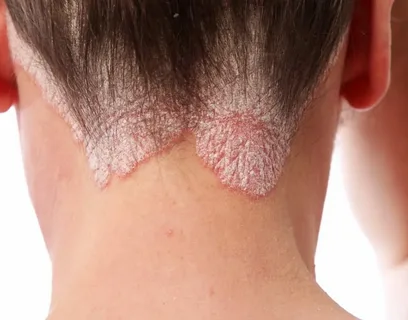
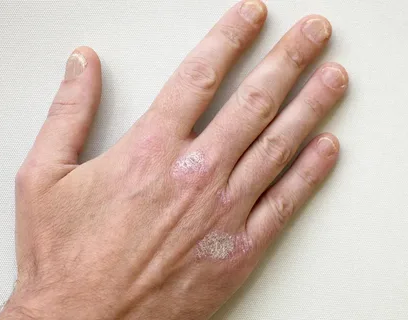
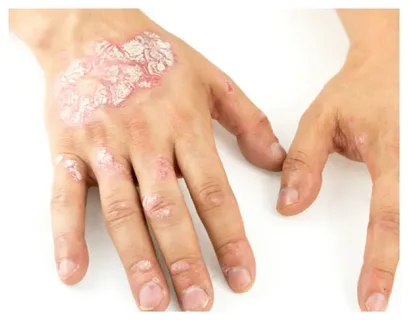
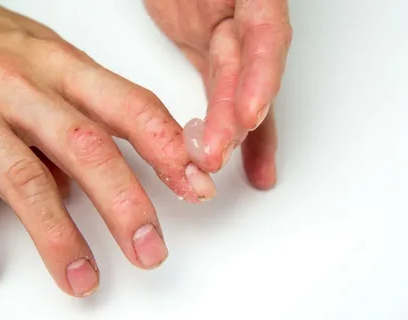
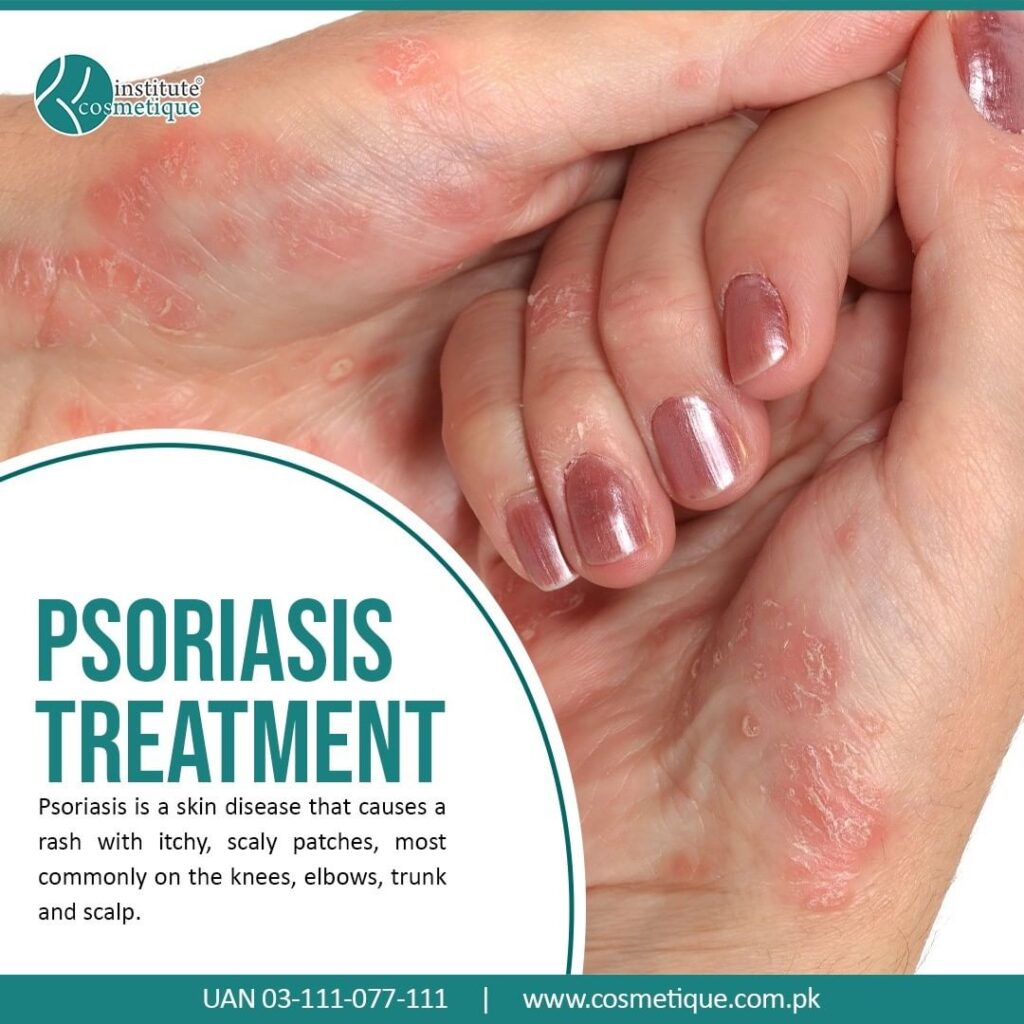
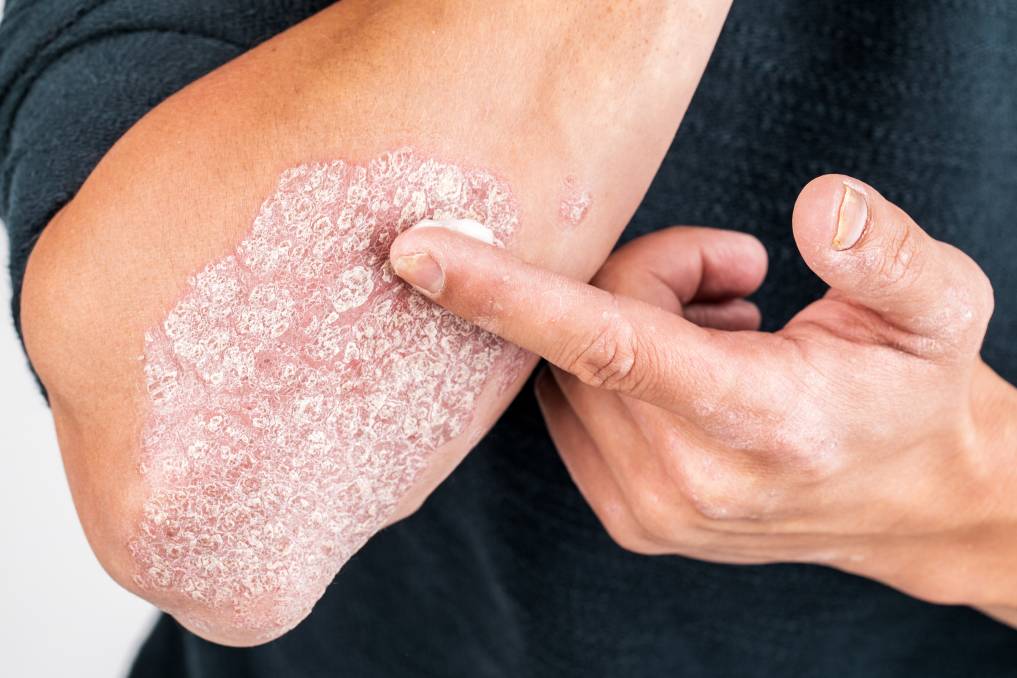
Psoriasis is a chronic skin condition that causes skin cells to grow faster than normal, leading to the formation of thick, red, itchy, dry, or silvery patches on the skin. For people experiencing persistent psoriasis symptoms, finding the best psoriasis treatment in Lahore can be an important step toward managing the condition and maintaining healthier-looking skin. With proper diagnosis and personalized care from an experienced dermatologist, psoriasis symptoms can often be controlled effectively.
Psoriasis mainly develops in an individual when his own immune system starts sending wrong messages and signals to the brain that result in the growth of skin cells too quickly that instead of growing in weeks, they develop in just a few days.
Is psoriasis contagious?
No. Psoriasis is not contagious. It happens because of your immune system and genes. You cannot catch it from touching someone who has it.
Also, along with this whole process, the body remains unable to shed those excess skin cells due to which they tend to pile up on one another on the skin’s surface, causing psoriasis skin patches to appear. Those rough patches typically range from small to large size and most commonly affect regions like
- Knees
- Elbows
- Scalp
- Hands
- Feet
- Lower Back, and many more
Why Choose Cosmetique Clinic For Best Psoriasis Treatment In Lahore, Pakistan ?
Cosmetique clinic is one of the most reliable dermatological centers all over Pakistan, where there are doctors and skin specialists who have extensive training and experience in their relative fields of study. The dermatologists there very well understand and diagnose the symptoms of psoriasis and treat children and adults coming to them from all over the world.
Right Diagnosis
Indeed, the correct diagnosis of a disease is key to appropriate treatment within time. In the case of psoriasis, each individual case has its own characteristics and prominent symptoms as the genetic combination of every individual is different from others. Therefore, psoriasis has a varied effect on different individuals, typically ranging from mild signs and symptoms to almost totally disabling the patient in extremely severe cases.
Specialized Psoriasis Treatment at Cosmetique
Cosmetique clinic remarkably offers the best psoriasis treatment options not only in Pakistan but to patients living in many other countries of the world. The doctors of Cosmetique are admired much because they have specialized in providing effective treatments to moderate to severe psoriasis (many treatment possibilities which are not even present in many places of the world).
One of the prime options of Psoriasis treatment in Lahore, Pakistan, at Cosmetique clinic is Goeckerman treatment. This treatment mainly involves the frequent exposure of the patient’s body to ultraviolet light. After that, the doctor usually spreads coal tar over the entire body.
What Impacts Does Psoriasis Have on The Social Life of Patients?
The burden of this particular skin disorder usually extends beyond one’s physical manifestations while including significant social, physical, and psychological impairments. Several research studies have even demonstrated that psoriasis has a tremendous negative impact on the quality of an affected individual’s life.
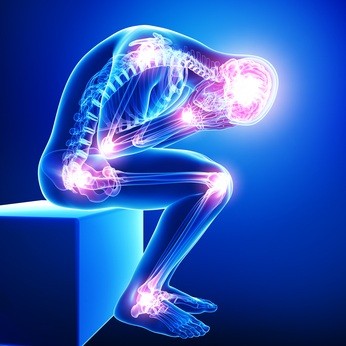
The Psoriasis patient’s family members generally experience an extensive range of detrimental and unfavourable effects on the quality of their lives with regards to thier :
- Lifestyle Modifications
- Physcological Effects
- Social Interaction
- Interpersonal Relationship
- Financial Issues
- Family Activities
- Sleeping Disorders
And many other such issues that are directky or indirectly linked to the practical care of the patients .
What Are the Major Causes of Psoriasis?
Although psoriasis can somehow look like a contagious skin disease, but in reality, it is absolutely not. No one can get psoriasis from coming in direct contact or touching any individual who already has psoriasis. Also, you cannot catch psoriasis by having sex or while swimming in a pool.
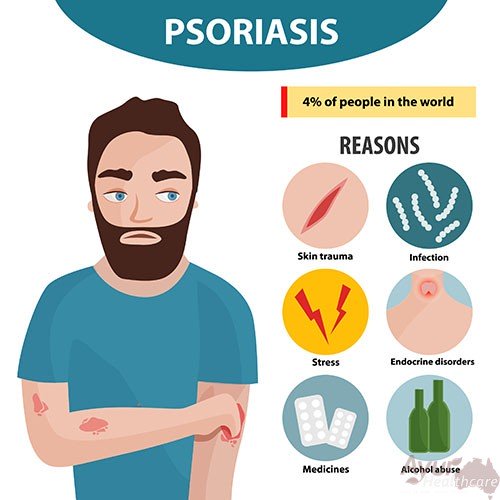
Instead, many scientists and skin experts believe that psoriasis primarily occurs when an individual’s immune system starts behaving abnormally and overreacts by producing many cells at a time. Sometimes, that also results in inflammation and flaking of the skin in some severe conditions.
In a few cases, psoriasis becomes a part of a genetic combination and then runs in several generations of a family. Therefore, it needs to be cured by taking the best psoriasis treatment in Lahore, Pakistan, as soon as possible.
In order to catch psoriasis, an individual must inherit the genes responsible for psoriasis from any of his ancestors. Several scientists have recently learned that an individual’s genes and the immune system play a crucial role in causing psoriasis. Scientists have also presented that any individual who has unknowingly inherited the genes causing psoriasis will surely get psoriasis either at any stage of his life. Therefore, from all this discussion, it seems that psoriasis is somehow a genetic skin disorder. An individual must inherit the right mix of genes from his parents; only then will he be safe from it.
Types of Psoriasis
Psoriasis is a chronic autoimmune skin condition where skin cells grow too fast, causing them to build up on the surface. This leads to red, scaly, or inflamed patches on the skin. It’s not contagious and can range from mild to severe, with different types affecting different areas of the body in different ways.
- Plaque Psoriasis
- Guttate Psoriasis
- Inverse Psoriasis
- Pustular Psoriasis
- Erythrodermic Psoriasis
- Nail Psoriasis
- Psoriatic Arthritis
Symptoms
However, nowadays, many people say that they start feeling the symptons of psoriasis when exposed to any of its triggers, and now they are experiencing the destructive impact of psoriasis.
Some of those triggers mainly include :
- Any Stressful Event Of Life
- Allergies To Taking Certain Medicines
- Direct Contact With Some Infectious Particles
- Germs And Pollutants Of The Outside Environment
- Extreme Cold, Dry Weather, And Many More
Scientific studies are being conducted on them, but nothing is confirmed yet.
Why choose Cosmetique Clinic
What we promise at Cometique is:
Expertise and experience. Cosmetique Dermatology Clinic doctors have extensive experience treating children and adults who have psoriasis.
Specialized treatment. Cosmetique offers all treatments for this disease, including one for moderate to severe psoriasis that’s not available at many places. The Goeckerman treatment, which involves daily ultraviolet light exposure and application of coal tar over the whole body.
The right diagnosis. Each form of psoriasis has unique characteristics, and their effects on people range from mild to almost totally disabling. Your doctor will work with you to determine the correct diagnosis, which is essential for effective treatment.
How many people have psoriasis
Psoriasis is a fairly common skin condition and is estimated to affect approximately 1%-3% of the U.S. population. It currently affects roughly 7.5 million to 8.5 million people in the U.S. It is seen worldwide in about 125 million people. Interestingly, African Americans have about half the rate of psoriasis as Caucasians.
Our Doctors

Prof. Dr. Azim Jahangir Khan
M.B.B.S., M.D. (U.S.A), F.A.A.D. (U.S.A), F.A.A.C.S. (U.S.A), F.A.S.D.S. (U.S.A) F.A.S.L.M.S. (U.S.A) F.A.S.H.R.S. (U.S.A) F.A.S.L.S. (U.S.A) M.A.C.P. (U.S.A)
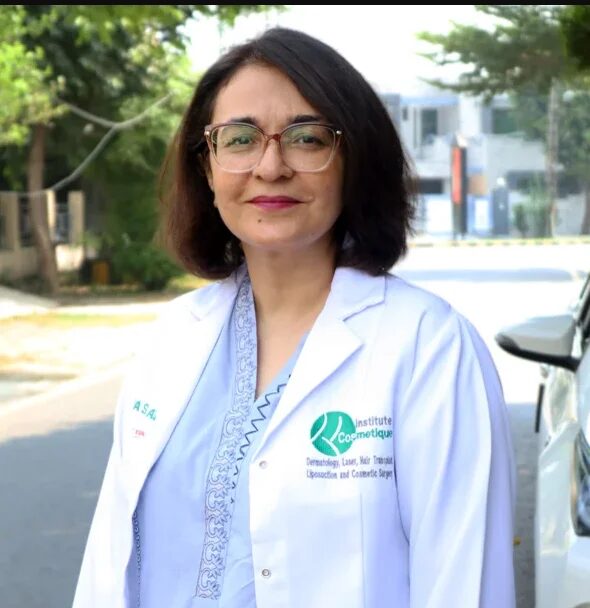
Dr. Asma Sana Azim
M.B.B.S. (Pb); M.D. (U.S.A.); M.A.C.P. (U.S.A): Dip. Derm (U.K.) Diplomate, American Board of Internal Medicine Member, American College of Physicians Diploma in Dermatology (UK)

Dr. Amnah M Raj
M.B.B.S.(Pb), Dip Derm (U.K), M.Sc.(U.K), FASDS (U.S.A.) Dip. Derm (Cardiff University, UK) M.Sc in Dermatology (Cardiff University, UK) Fellow, American Society for Dermatologic Surgery (U.S.A)
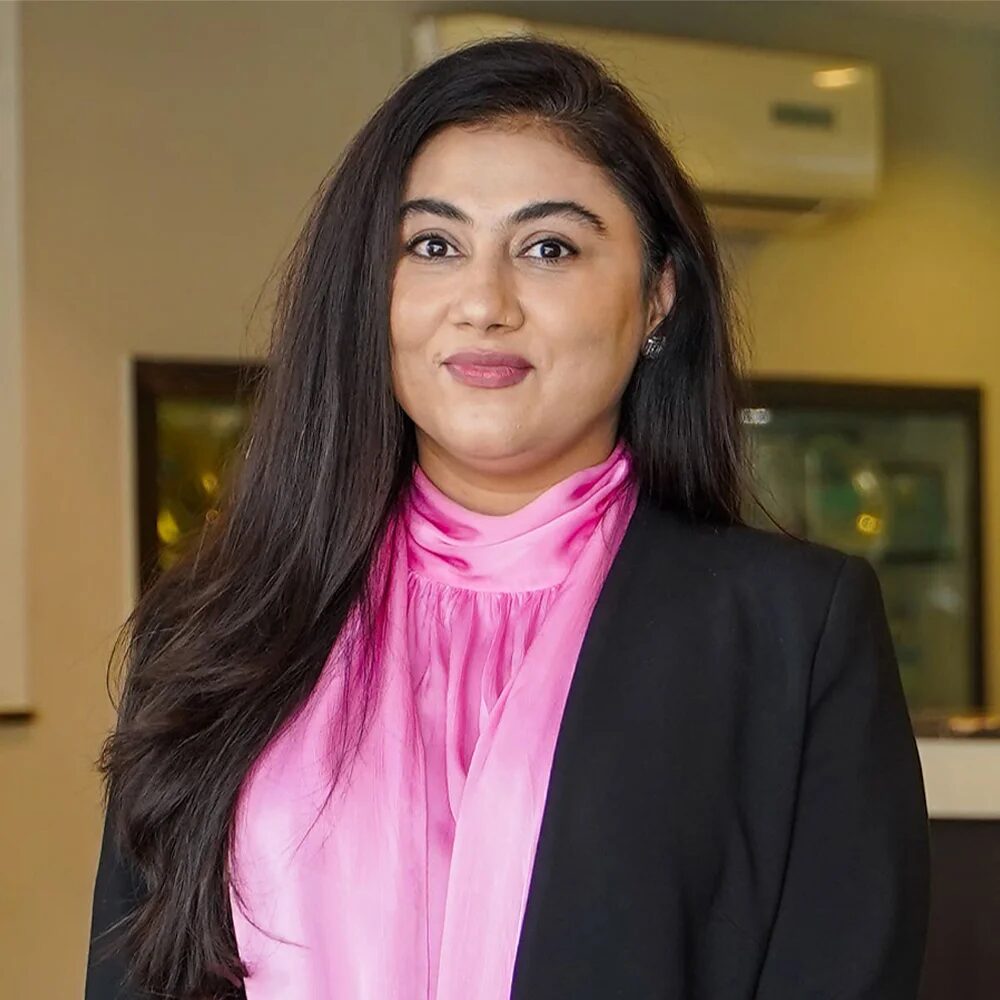
Dr.Saima Malik
M.B.B.S.(Pb), Dip Derm (U.K), M.Sc.(U.K) Dip. Derm (Cardiff University, UK) M.Sc in Dermatology (Cardiff University, UK)
Contact
We would like to help you, if you have any questions or if you would like to schedule a consultation.
Get An Appointment
Are you feeling like you have dry, itchy, and scaly skin that is peeling off over time? Or does your skin have some red or raised skin lesions somehow covered with shite and silvery patches? If yes, then these are the significant signs and symptoms that you have psoriasis. In such a case, immediately go to a reliable skin specialist and have it diagnosed and checked within time because if left untreated, it may damage your entire body’s skin, resulting in you leading a difficult life ahead. At Cosmetique clinic, specialized dermatologists offer the best psoriasis treatment in Lahore, Pakistan. Get an appointment and visit them as soon as possible to get rid of or lessen the detrimental effects of this skin disorder.